Are air source heat pumps suitable for older homes? In most cases, they are, because heat loss matters more than a building's age. An air source heat pump takes heat from the outside air and transfers it into a home's space heating and hot water, using electricity to do the work. Many older Cornish properties have solid walls, thin loft insulation and small radiators, which raise heat demand. This guide explains what to check first, which upgrades may help and how costs and grants work.
Last reviewed: 21 October 2026. Grant figures and planning rules change, so confirm them on GOV.UK and with Cornwall Council before you decide.
Do Heat Pumps Work in Old Houses?
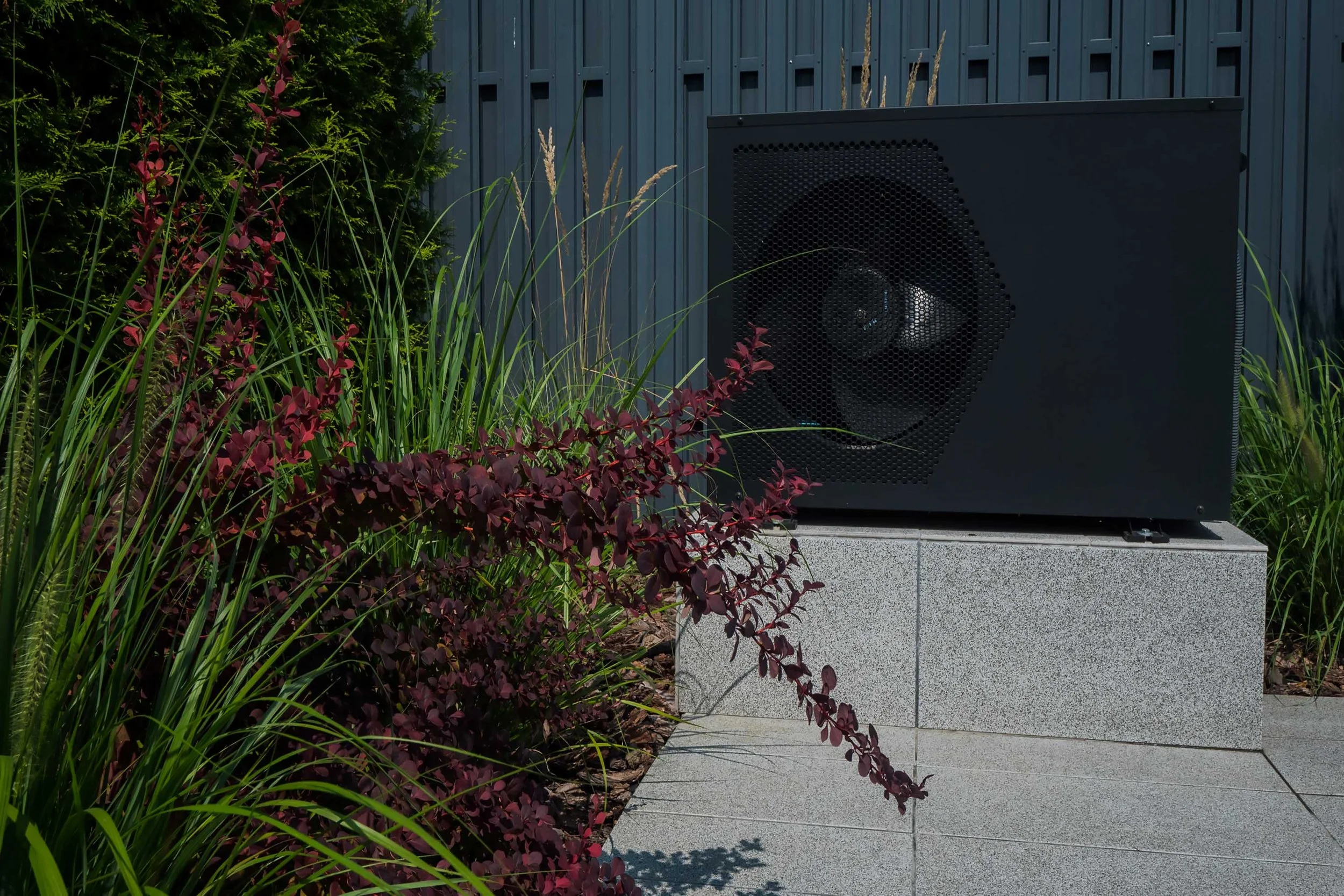
Yes, heat pumps work in old houses when the design starts from the property's heat loss. The Energy Saving Trust installed 742 heat pumps across three regions of Great Britain, including 163 in old houses built before 1945, and found that the design challenges could be overcome.
A heat pump's performance depends on insulation and radiator size, not on a building's age. Two old houses with the same floor area can need very different heat output because a solid-wall house loses heat faster than a modern cavity-wall home.
Modern heat pumps transfer heat from the air outside into a home, using a small amount of electricity to move it at a low temperature. An air source heat pump can deliver around three units of heat for every unit of electricity, depending on the system and conditions. Because the heat comes mostly from the air, a home can have a lower carbon footprint than one heated by burning fuel.
Flow temperature is the temperature of the water leaving the heat pump. Unlike gas boilers, which often run at high flow temperatures, heat pumps operate efficiently at lower flow temperatures, so radiators or underfloor heating need enough surface area to release the heat.
What Makes Older Properties Harder to Heat?
Older properties often present unique challenges before you install a heat pump. Many were designed around gas boilers or other high-temperature heating systems, so their fabric and heat emitters suit hotter water. The most common problems are:
Solid walls: These walls have no cavity, so more heat escapes through the masonry, and many period properties have minimal insulation.
Roof space: Thin or missing loft insulation lets heat leave through the ceiling.
Windows and doors: Single glazing and draughts increase heat loss in every room.
Insulation is crucial in preventing heat loss in older homes with uninsulated solid walls. Good insulation lowers the heat demand, so the heat pump runs less often and may need a smaller unit. Upgrading insulation also helps to prevent rapid heat loss through walls, roofs and windows in older buildings.
Can You Install a Heat Pump in a Cornish Granite Cottage?
Usually yes, but you'll need a heat loss survey first. Air source heat pumps can be a viable heating solution for Victorian terraces and stone cottages. Heat pumps work in granite homes when you assess the walls, roof, and radiators together.
Granite has no cavity, so it loses heat more readily than modern walls. Traditional stone also absorbs and releases moisture, which means wall insulation in traditional properties needs specialist advice. Historic England supports heat pumps in historic buildings where installation avoids harm to their character.
Where radiators cannot be enlarged, some modern heat pumps run at a higher temperature, delivering the high heat output small radiators need. These models generally cost more, so they suit older homes where other upgrades are impractical.
Do Older Homes Need Extra Insulation?
You don't need to fully insulate older homes before you can install heat pumps. Heat pumps are most efficient in well-insulated homes, so adding insulation reduces the required unit size, lets the heat pump run at a lower temperature, and improves energy efficiency. Some owners fit the heat pump first and add insulation in phases. Older properties often require insulation upgrades, and these are the main options:
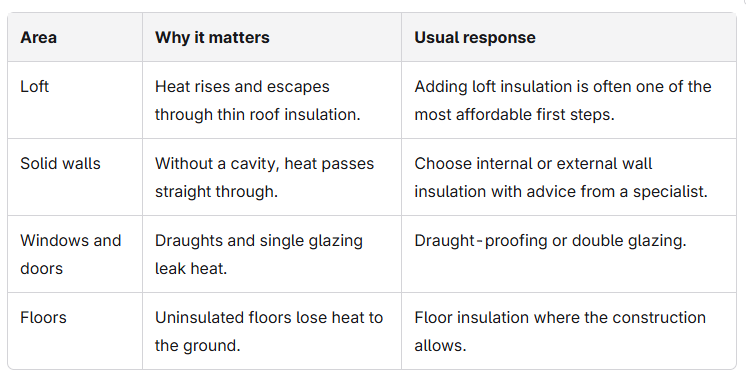
A survey also shows which upgrades improve energy performance most for the least disruption. Spend first on loft insulation and draughts, then consider solid wall work once the cheaper fixes are done. An energy-efficient building also keeps energy costs lower once the heat pump is running.
Can Poorly Insulated Homes Use a Heat Pump?
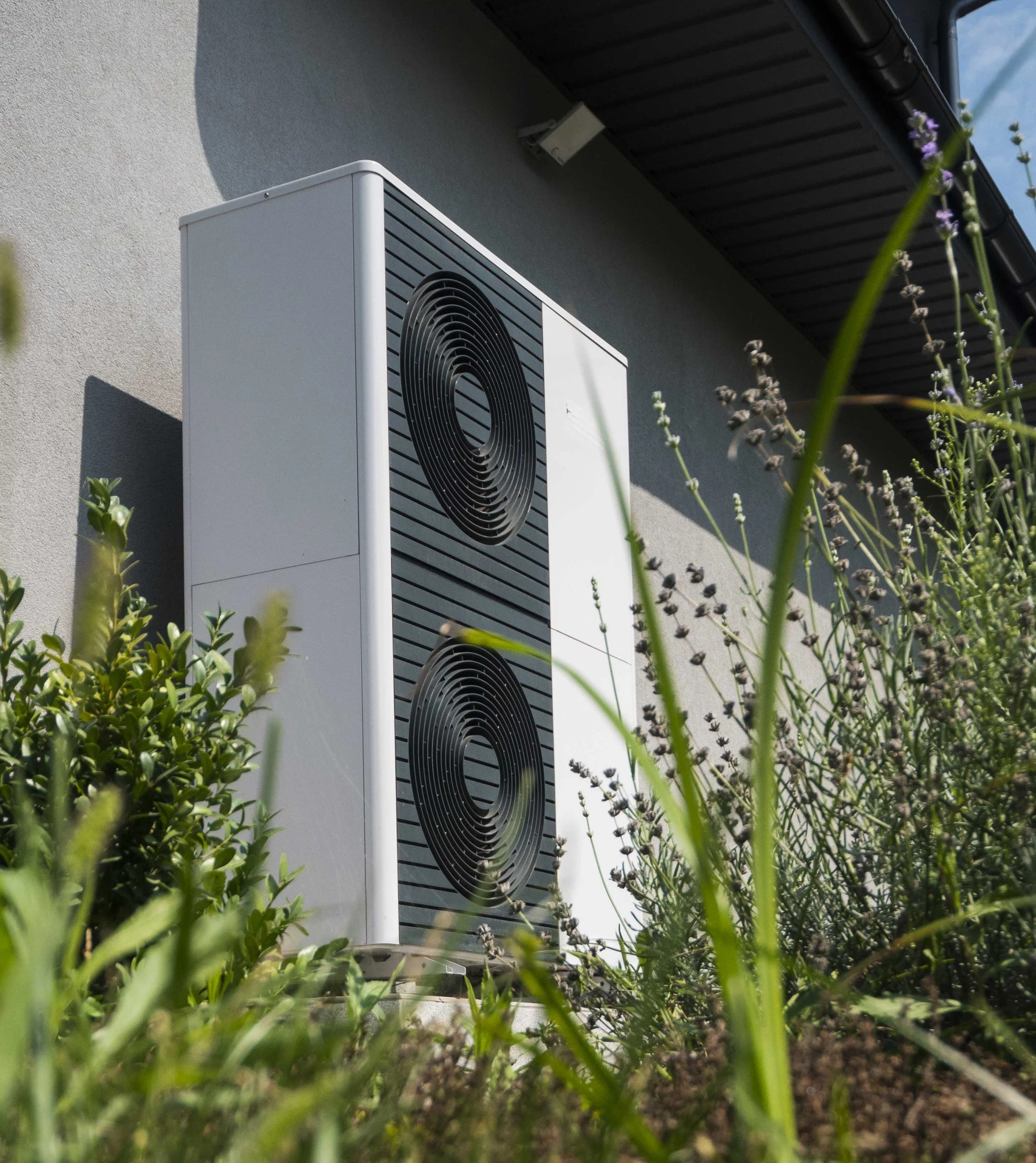
Heat pumps work in poorly insulated homes, but the costs rise. Poor insulation increases heat loss and running costs, so in old houses with high heat loss, the heat pump runs for longer and may need a larger unit. If you can't improve the walls, roof, and floors, carefully evaluate the property's heat demand. If you can't insulate the walls, you can make up the difference by replacing old radiators with larger ones or adding underfloor heating.
Can You Keep Old Radiators With a Heat Pump?
Some can stay. Heat pumps work best in insulated homes with larger radiators because a radiator with more surface area releases heat at a lower temperature. Generously sized existing radiators may be enough, while others can be swapped for double-panel radiators that deliver more output in the same wall space.
Old radiators designed for gas boilers may need resizing for heat pump compatibility, and a room-by-room survey checks existing radiators. Water-based underfloor heating is another option. Underfloor heating spreads warmth across the whole floor, so rooms reach a comfortable temperature with a low flow temperature, and it suits rooms where floors are already being replaced.
What Else Should You Check Before Installing Heat Pumps?
Before installing a heat pump, assess the existing heating system to confirm it can operate at lower flow temperatures. Older heating systems built around gas boilers may need upgrades for heat pump use, and low-carbon heating systems also need space. These are the usual checks:
Pipework: Legacy narrow pipes sized for gas boilers can restrict the water flow a heat pump needs, so wider pipe diameters may be required, especially in old houses with microbore pipes.
Hot water cylinder: A heat pump needs a well-insulated cylinder to store hot water, which requires adequate indoor space; homes with a combi boiler must add one.
Outdoor unit: The heat pump compressor sits in an outdoor unit that needs clear space, either wall-mounted or standing on the ground, with room for airflow.
Electricity supply: The supply may need checking, because the heat pump adds a new electrical load.
Layout: The home’s layout decides where the pipes, cylinder and external units can go.
Ground Source Heat Pumps or Air Source: Which Suits an Older Home?
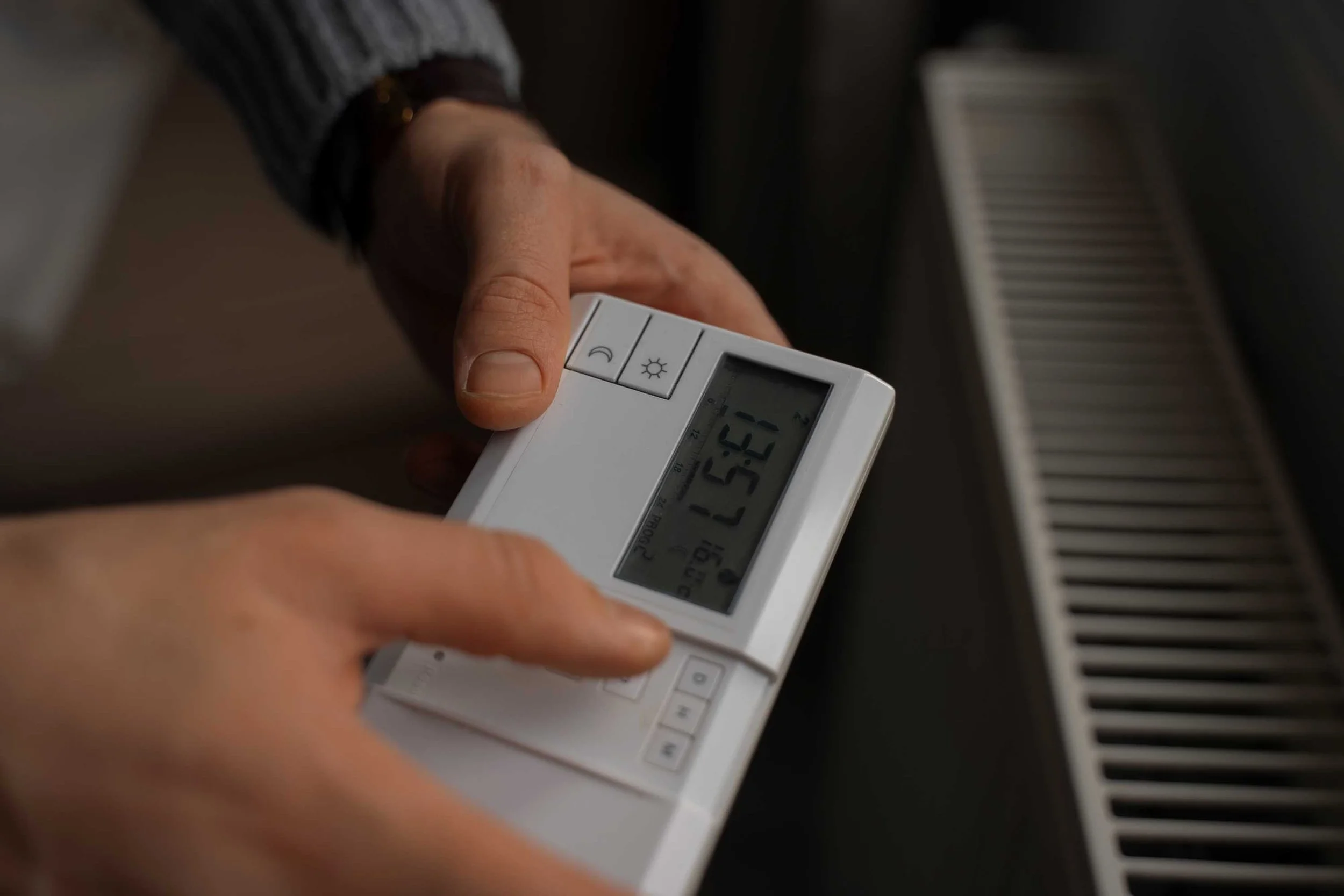
Ground source heat pumps draw heat through buried pipes called a ground collector, which needs enough land near the building. They deliver heat efficiently, but they cost more to install. An air source heat pump needs far less land, so it suits most gardens, yards and side walls. Both types are low-carbon heating options that connect to water-based heating systems, and the choice depends on the plot.
What Are the Running Costs and Grants for Older Homes?
Cost has three separate parts. Higher heat pump installation costs often come from required upgrades to radiators or insulation.
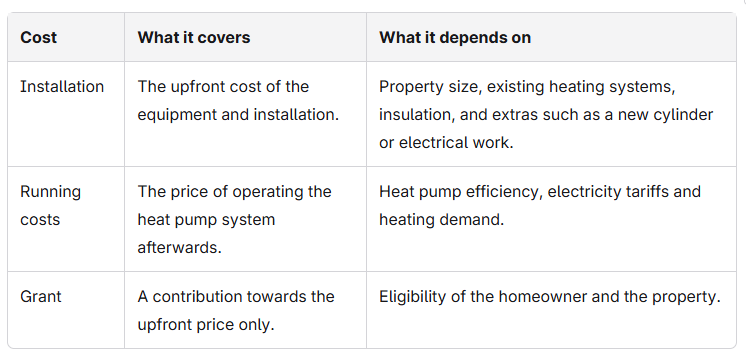
Electricity costs more per unit than gas. Ofgem's price cap for 1 October to 31 December 2026 averages 26.32p per kWh for electricity and 7.97p for gas, so electricity is roughly three times the price. Because a heat pump delivers about three units of heat for each unit of electricity, running costs are similar to a traditional gas boiler. Heat pumps can reduce heating bills over time as efficiency improves, but a leaky home erodes that benefit. A heat pump installer can estimate running costs based on the heat-loss calculation.
Many government schemes help offset installation costs. Through the Boiler Upgrade Scheme, grants of up to £7,500 are available towards an air source heat pump, with an extra £1,500 until March 2027 for homes heated by oil or LPG with no mains gas. Eligible homeowners in England may be able to claim when replacing a fossil fuel system, and the installer must be certified under the Microgeneration Certification Scheme (MCS).
Will a Heat Pump Keep an Older Home Warm?
Yes, when it is sized correctly. A heat pump system based on a room-by-room heat-loss calculation matches its heat output to each room. The heat pump runs longer at lower flow temperatures, unlike gas boilers that switch on and off at high flow temperatures, so it maintains the desired room temperature steadily across the whole house, provided good insulation limits heat loss.
A heat pump produces no direct carbon emissions at the property, although the electricity supply behind it may still carry some. Air source heat pumps can lower carbon emissions and running costs compared with fossil fuel heating, so replacing an old boiler also cuts carbon emissions from heating and reduces a household's carbon footprint. Low-carbon heating becomes cleaner as the grid decarbonises.
Do You Need Planning Permission in Cornwall?
Often not for an ordinary home. Cornwall Council, as the local authority, states that the Class G permitted development right covers heat pumps on homes, subject to limits (Cornwall Council guidance):
One heat pump per building or curtilage, not above 0.5 cubic metres on a house.
No closer than 1 metre to the boundary, and not on a pitched roof.
Heat pump noise must comply with the Microgeneration Certification Scheme standard or equivalent.
Listed buildings are among the properties requiring planning permission. In a conservation area, the unit cannot sit on a wall facing a road, and an Article 4 direction can remove these rights entirely. Historic buildings of any kind deserve a check with the Council's constraint checker before ordering equipment.
How Does a Property Assessment Work?
A professional heat loss survey is recommended before choosing a system, because old houses need heat loss evaluations to ensure they perform effectively. The GOV.UK suitability checker gives a quick first indication. Any heat pump installer should then provide a written heat loss calculation. The process starts with two steps:
Assess the property: The installer measures the home’s heat requirements, checks its insulation and inspects the existing heating system.
Design the system and choose the equipment: The installer then selects a heat pump, radiators, and a cylinder that match the assessment findings.
The survey also records how the heat pump will connect to the home's current heating systems.
Air Source Heat Pumps Cornwall is a Cornwall business that installs, services, and repairs air source heat pumps for homeowners, with advice on costs and government grants. Based in Sancreed, Penzance, Cornwall, Air Source Heat Pumps Cornwall works with homeowners across Cornwall. You can also meet the team.
How Do You Maintain a Heat Pump in an Older Home?
Heat pumps work reliably with regular care, and older homes may need more frequent maintenance checks, especially if heating systems haven't been upgraded. Servicing is the annual inspection and performance check of the heat pump, while a repair fixes a fault that has already appeared, such as poor heating, unusual noises or an error code.
Schedule annual heat pump servicing with certified professionals.
Clean filters every three months, if your model has them.
Keep the outdoor unit of an air source heat pump clear of debris because, unlike gas boilers, it relies on free airflow.
Final Thoughts
Air source heat pumps can suit older homes because heat loss, radiator size, and system design matter far more than the building's age. Insulation upgrades, larger radiators, and a suitable hot water cylinder may be needed, but a full retrofit is rarely required before you can start installation. Costs depend on the property, and eligible homeowners in England may be able to reduce the upfront price through the Boiler Upgrade Scheme.
Air Source Heat Pumps Cornwall can help you understand your options, from a property assessment through to installation, servicing and repairs across the county. Select "Get Free Quote" to reach the Contact page, then describe your property, its existing heating system and any insulation you already have. Every home needs its own assessment, so an honest answer about suitability starts with a conversation about how your property is built and heated.
Frequently Asked Questions
-
Efficiency can drop in extremely cold weather because there is less heat in the outside air to extract. A correctly sized heat pump allows for this at the design stage, so ask for winter performance to be checked against your home's heat demand.
-
Gas boilers heat water to a higher temperature and cope better with leaky buildings, but they burn fossil fuel. Heat pumps remove direct carbon emissions and suit well-insulated homes, so the better choice depends on the property and your priorities.
-
The installer applies on the homeowner's behalf and deducts the grant from the price, so you do not claim it yourself. Check the full rules on the GOV.UK eligibility page.