

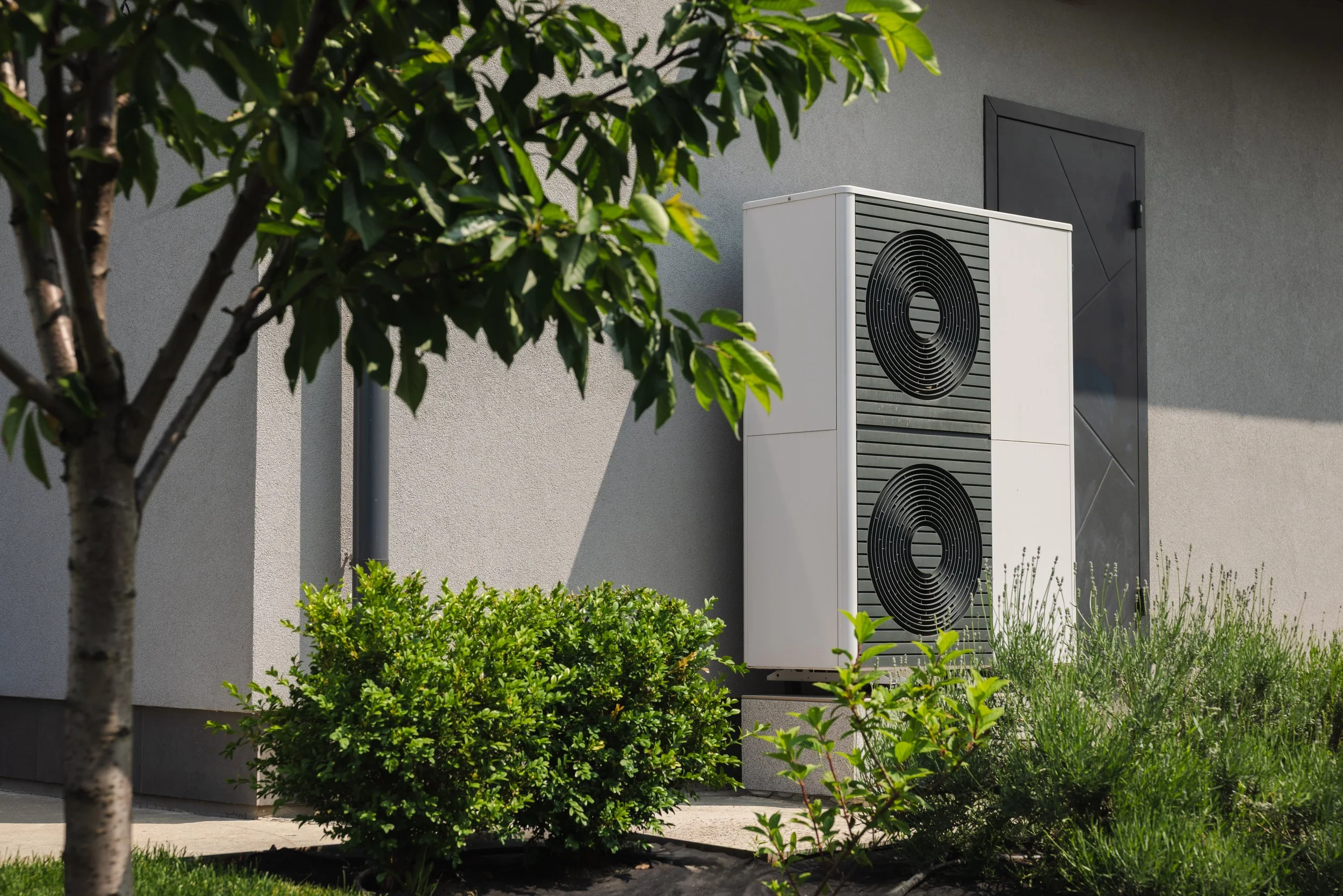
Air source heat pump installation in cornwall
Heat Pump installation
Looking for a reliable heat pump installer in Cornwall? If you're considering replacing your gas boiler, oil or LPG heating with a new heat pump, we can help you find an energy-efficient heating solution suited to your property.
ASHPC works with MCS-certified installers and installation partners who manage the full heat pump installation process, from the initial survey and system design through to commissioning and aftercare.
Installing a heat pump is a significant investment, so choosing the right heat pump installer matters. From older granite cottages to modern family homes, every property needs a heating system designed around its individual requirements.
Considering a new heat pump? Contact us to discuss your installation in Cornwall.
Book Your Appointment -
Book Your Appointment -
Why Choose Us for Heat Pump Installation in Cornwall?
A successful heat pump installation starts with understanding your home. The right heat pump system needs to provide reliable heating and hot water while keeping energy bills and running costs manageable.
We work with MCS-certified heat pump installers and installation partners across Cornwall. The installer responsible for your project manages the installation process, including the relevant certification and government grant application.
MCS-certified installers: Installation work is managed by certified professionals following applicable industry standards.
Bespoke system design: A detailed heat loss assessment helps identify the right heat pump for your property.
Local knowledge: Installations consider Cornwall's older homes, rural properties and coastal conditions.
Heating upgrades: Existing radiators, pipework, hot water cylinders and controls are assessed before recommending changes.
Government grant support: Eligible homeowners can access the Boiler Upgrade Scheme through their MCS-certified installer.
Our aim is to make installing a heat pump straightforward, with practical advice and a system designed to keep your home warm throughout the year.
What's Included in Our Air Source Heat Pump Installation Service?
Air Source Heat Pump Installation for Existing Homes
Many homeowners install heat pumps when replacing an ageing gas boiler or other traditional heating system.
Air-to-water heat pumps work by extracting energy from the outside air and transferring it into your home's heating and hot water system. Unlike a gas boiler, a heat pump doesn't generate heat by burning fuel.
The installation may include a new heat pump unit, hot water cylinder, heating controls and radiator upgrades. Your installer checks the existing pipes and heating equipment to identify which components can be retained.
Heat Pumps for Rural and Off-Gas Properties
Many rural homes in Cornwall have no mains gas connection and rely on oil, LPG or electric heating.
Installing a heat pump can provide an alternative to these systems while reducing reliance on fossil fuels. A correctly designed system may also help lower your home's carbon footprint, although actual savings depend on electricity prices and system performance.
Older stone properties may need additional insulation or new radiators to provide efficient heating at a lower temperature.
Real-World Example: Replacing Storage Heaters in an Older Home
In our latest homeowner case study, a resident of an 1890s three-bedroom terraced house replaced expensive electric storage heaters with an air source heat pump. After five years of use, they reported a warmer, more comfortable home, lower heating costs and reliable performance even when outdoor temperatures reached -18°C.
Their experience highlights how installing a heat pump can benefit older properties, although actual performance and energy savings depend on insulation, system design and the heating being replaced.
Heat Pumps for Renovations and New Builds
Planning a renovation or building a new home? Installing a heat pump early in the project makes it easier to plan the outdoor unit location, indoor components, pipework and hot water cylinder.
Underfloor heating is particularly suitable for heat pumps because it can distribute heat efficiently at lower flow temperatures.
A new system can also work alongside solar panels and compatible smart controls, helping homeowners make better use of renewable energy generated at home.
BOOK AN APPOINTMENT
Areas we cover
ASHPC provides installation, servicing and repairs across Cornwall, helping homeowners in towns, villages and rural communities throughout the South West.
Our coverage includes:
West Cornwall: Penzance, St Ives, Hayle, Helston and surrounding areas.
Central Cornwall: Truro, Falmouth, Penryn, Redruth and Camborne.
North Cornwall: Newquay, Padstow, Wadebridge and Bude.
East Cornwall: Bodmin, Liskeard, Saltash and nearby communities.
South Cornwall: St Austell, Mevagissey, Fowey and the surrounding villages.
We also cover rural and coastal properties across the county, including locations where oil and LPG heating are common.
Cornwall forms part of the South West of England, where renewable heating provides an alternative to fossil fuels, particularly in off-gas-grid communities.
If your town or village isn't listed, contact us to check service availability in your area.
Our Three-Step Heat Pump Installation Process
Step 1: Home Survey and Heat Loss Assessment
Before installing a heat pump, your installer needs to understand how much energy your property requires to stay warm.
A home energy assessment examines insulation, windows, existing heating equipment and hot water demand. Room-by-room heat loss calculations help determine the correct heat pump capacity and identify any necessary improvements.
The survey also considers:
Outdoor space for the external unit and suitable airflow.
Existing radiators, pipework and underfloor heating.
Space for a hot water cylinder.
Electricity supply and any electrical upgrades.
Noise, property boundaries and planning restrictions.
A thorough heat loss assessment is essential for selecting the right heat pump and ensuring the heating system operates efficiently.
Step 2: Installing Your New Heat Pump System
Once the design is agreed, your heat pump installer arranges the installation date and explains what to expect.
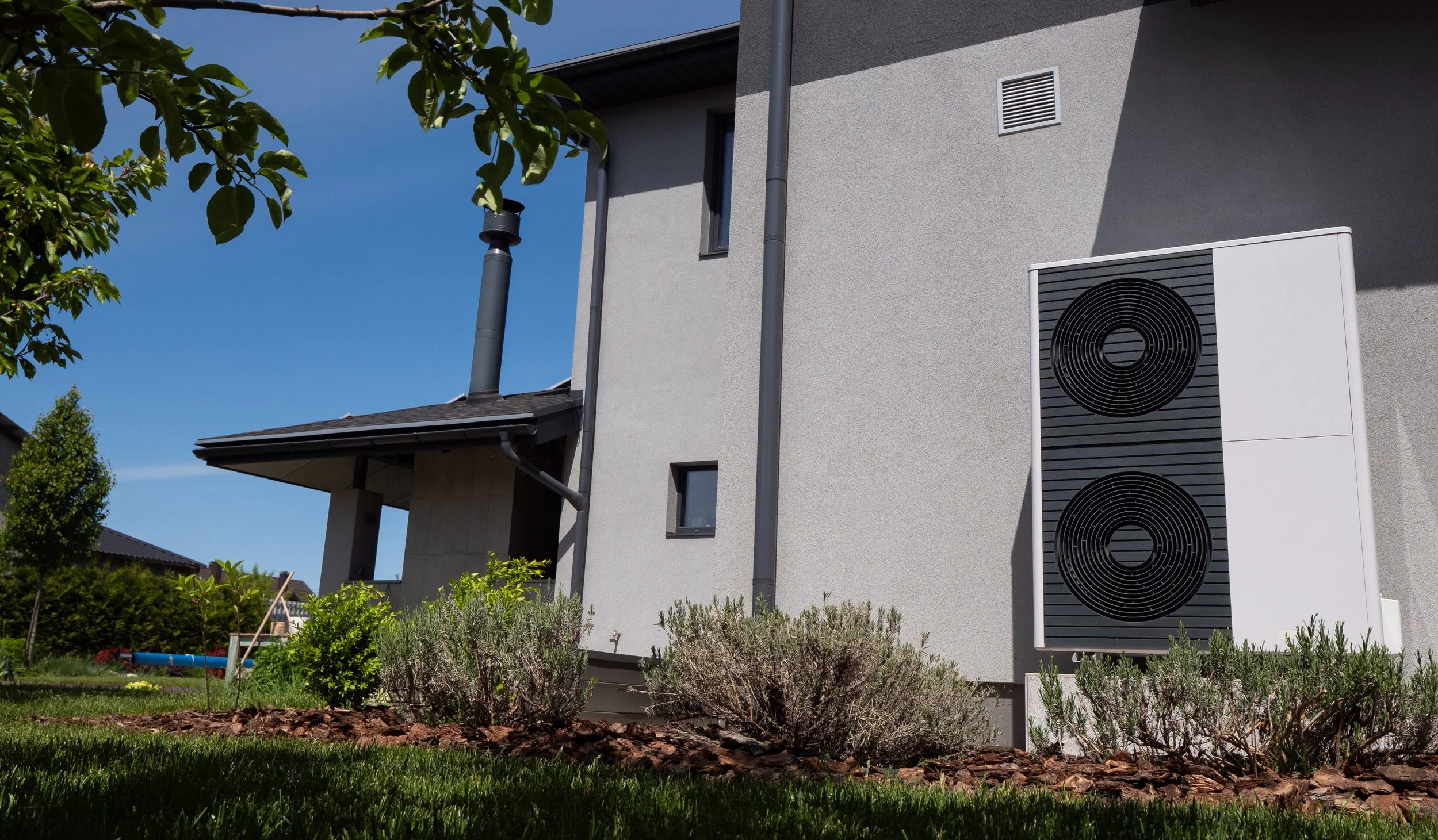
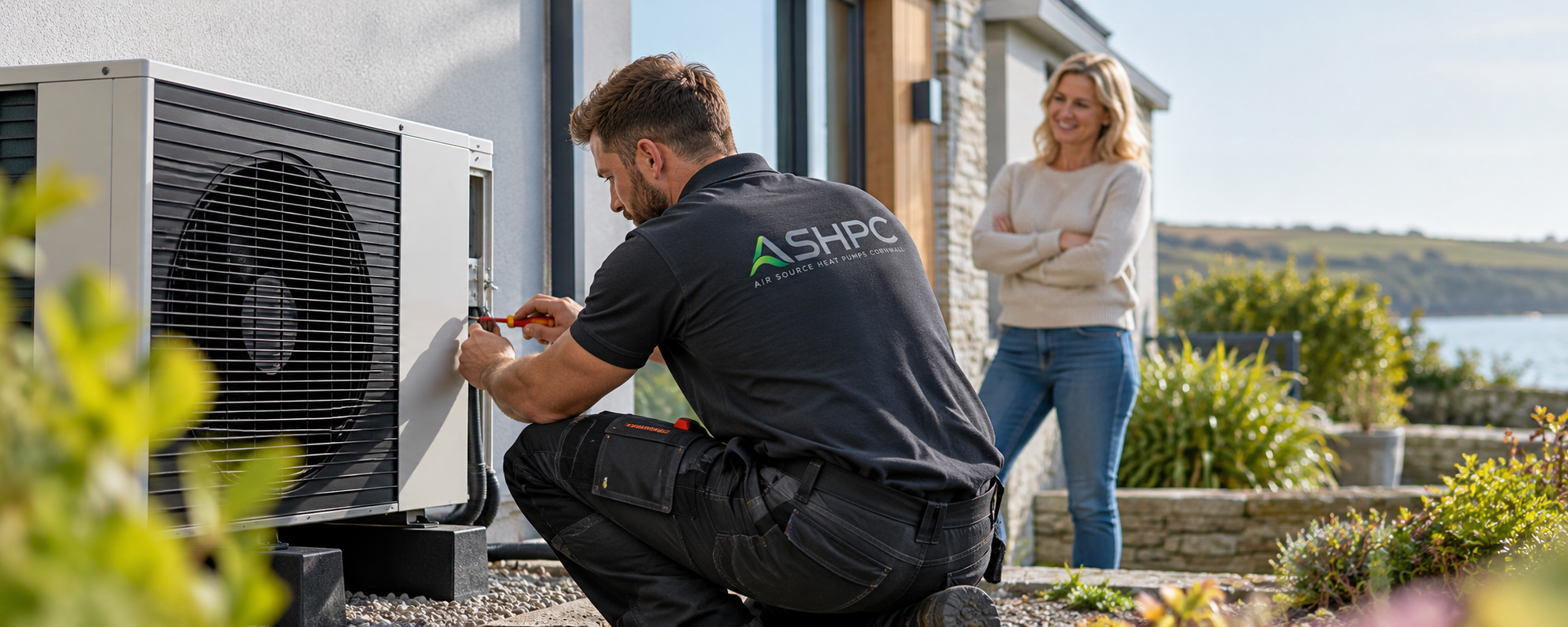
The installation process generally involves positioning the outdoor heat pump unit, connecting the heating pipework, fitting or adapting the hot water cylinder and installing suitable controls.
The external unit may be mounted on a suitable base or wall-mounted brackets, depending on the equipment and property. Existing pipes and radiators are retained where practical, with upgrades carried out where necessary.
Electrical connections are completed by appropriately qualified professionals.
How much disruption you experience will vary depending on the work required. Your installer should explain any expected interruption to heating and hot water before installation day.
Step 3: Commissioning, Certification and Handover
Once your new heat pump is installed, the system is tested and configured for efficient operation.
Commissioning includes checking flow temperatures, heating controls, hot water performance and system safety. Correct settings help ensure the heat pump operates efficiently without unnecessary electricity consumption.
The MCS-certified installer manages the relevant certification and documentation, following applicable industry standards.
You'll also receive guidance on operating your new system, adjusting heating schedules and maintaining optimal performance.
Air Source Heat Pump Installation Costs and Government Grants
The cost of installing a heat pump in Cornwall will vary depending on property size, heating requirements and any additional work needed. A quotation may include the heat pump unit, hot water cylinder, new radiators, electrical upgrades, controls and installation labour.
Boiler Upgrade Scheme Funding
Eligible homeowners in England can currently receive £7,500 towards an air-to-water heat pump through the Boiler Upgrade Scheme.
Qualifying off-gas-grid properties replacing oil or LPG heating may receive an increased grant of £9,000 for eligible applications during the current enhanced-grant period ending 31 March 2027.
Your MCS-certified installer manages the grant application, with approved funding deducted from the installation quotation.
Qualifying domestic installations also currently benefit from 0% VAT until 31 March 2027.
For the latest eligibility requirements, visit the government's Boiler Upgrade Scheme guidance.
Heat Pump Installation: Three Useful Facts
99% of Recorded Retrofit Installations Were Air-to-Water Systems
Government figures show that air-to-water systems accounted for 99% of recorded UK retrofit heat pump installations during the first half of 2026.
This type of heat pump supplies central heating and domestic hot water, making it suitable for many properties replacing traditional boilers.
Source: Department for Energy Security and Net Zero, 2026 heat pump deployment statistics.
The South West Accounted for 14% of UK Retrofit Installations
During the same period, 14% of recorded UK retrofit heat pump installations took place in the South West.
This demonstrates the growing role of heat pumps in the region's transition towards more energy-efficient, low-carbon heating.
Source: Department for Energy Security and Net Zero, September 2026.
Heat Pumps Can Reduce Heating Carbon Emissions by Up to 70%
Government guidance states that heat pumps can reduce heating-related carbon emissions by up to 70% compared with gas boilers.
Actual reductions depend on electricity generation, the system being replaced and how efficiently the heat pump operates.
Source: UK Government, Heat Pump Investment Roadmap.
Preparing Your Cornwall Home for Heat Pump Installation
Insulation and Energy Efficiency
Good insulation helps your home retain heat, improving comfort and reducing the amount of energy needed for heating.
Older Cornish properties may benefit from loft insulation, draught-proofing or other improvements before installation.
Your installer can assess the property and explain which upgrades could improve efficiency.
Radiators and Underfloor Heating
Heat pumps generally work most efficiently at lower water temperatures than traditional boilers.
Some existing radiators may be suitable, while others may need replacing with larger models to provide enough heat.
Underfloor heating can also be an effective option, particularly for new builds and major renovations.
Outdoor Unit Positioning and Electrical Supply
The outdoor heat pump unit needs sufficient airflow and a suitable position that considers access, noise and neighbouring properties.
In coastal Cornwall, exposure to salt air and prevailing winds may influence equipment selection and positioning.
Your installer also checks the electricity supply and arranges any necessary network notifications or approvals.
Frequently asked questions
-
Costs vary depending on the size of your property, heat pump capacity and any upgrades required. A home survey helps determine the work involved. Eligible homeowners may qualify for a £7,500 or £9,000 Boiler Upgrade Scheme grant, reducing the upfront cost.
-
Many domestic installations take several working days, although the timescale depends on the property's heating system and any additional work required. Your installer will explain the expected schedule, installation date and any temporary interruption to heating or hot water.
-
Yes, many older homes can accommodate an air source heat pump. Granite cottages and stone farmhouses may need particular attention to insulation, heat loss and radiator sizing. A property assessment helps determine the most suitable type of heat pump and whether improvements are required.
-
Many domestic installations in England fall under permitted development rights, provided the relevant conditions are met. Additional restrictions can apply to a listed building, properties in a conservation area or locations where noise and siting requirements cannot be satisfied. Planning permission should be checked before installation.
-
Not necessarily. Some existing radiators may provide enough heat at the lower temperatures used by heat pumps. Others may need upgrading. A room-by-room heat loss calculation helps determine where changes are necessary.
Ready to save money?
Contact ASHPC for your renewable energy upgrades
If you're considering an air source heat pump for your home, need your existing system serviced or are experiencing a heating problem, we can help.
We provide air source heat pump installation, servicing and repairs across Cornwall, including Penzance, Truro, Falmouth, Newquay, St Austell and Bude.
Contact us to discuss your property, ask about renewable heating options or arrange an assessment.
Call: 01736 339292