Replacing a gas or oil boiler is a major decision, and advice about heat pumps often conflicts. A poorly matched system can lead to high running costs and a long payback period. Air source heat pump pros and cons: are they worth it? This page answers that question for UK properties, using current figures and plain language.
It sets out the advantages, drawbacks, grants, and planning rules so a homeowner can judge whether heat pumps suit the property and its existing heating systems. The advice applies to homes, not commercial properties.
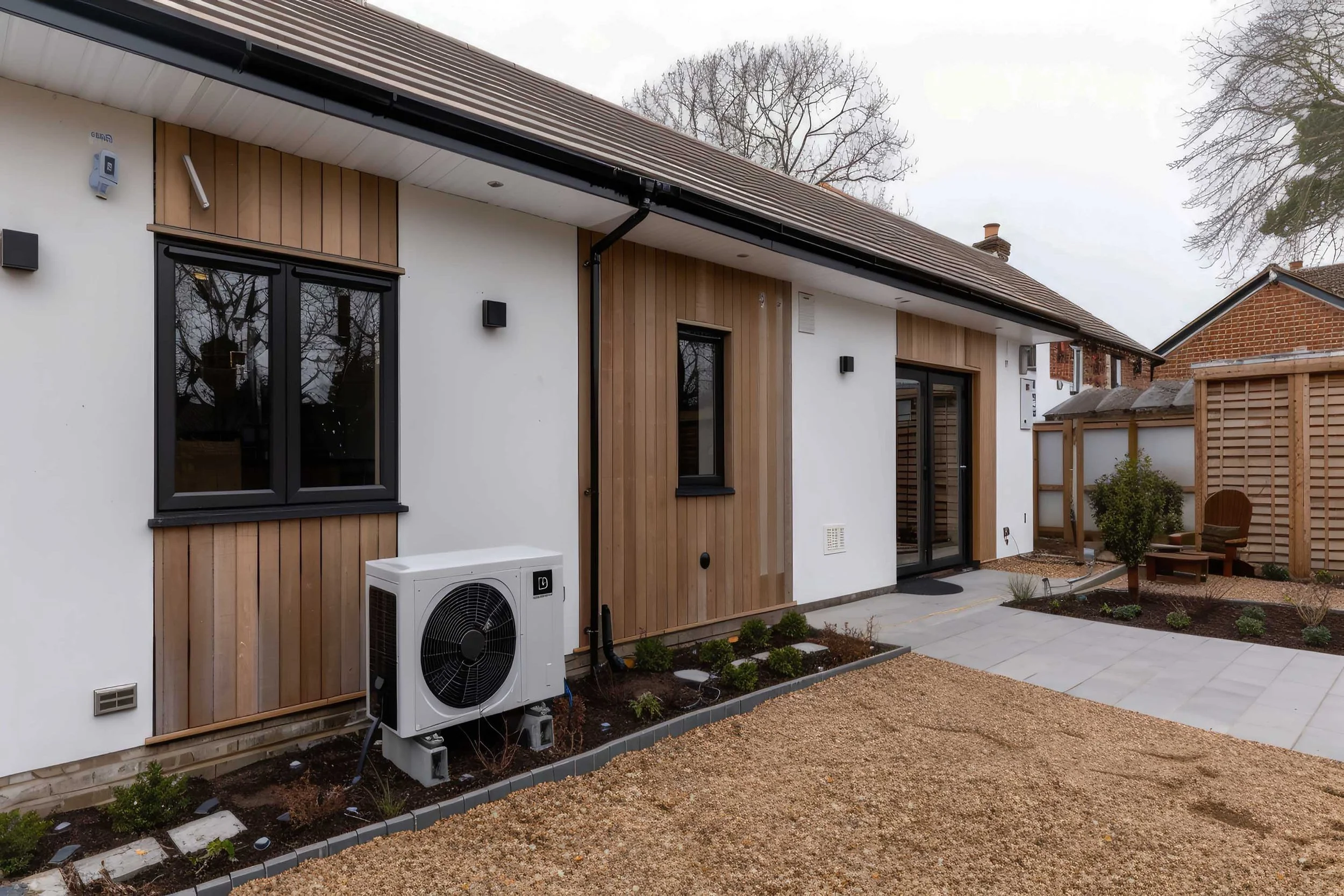
How Air Source Heat Pumps Work
An air source heat pump takes heat from outside air and uses electricity to move it into a home for heating and hot water.
Outside air holds ambient heat even in winter. A refrigerant in the outdoor unit absorbs heat from that air, a compressor raises the heat to a useful temperature, and the system then transfers it to radiators, underfloor heating, and a hot water cylinder. Heat pumps use electrical energy to move heat rather than create it, so air source heat pumps can produce three times more heat than the electricity they use.
Ground source heat pumps follow the same principle but draw heat from buried pipework, which needs more groundwork and a larger plot. The rest of this page covers air source heat pumps.
What Is the Major Advantage of a Heat Pump System?
The major advantage is energy efficiency. One unit can supply space heating and hot water without burning fossil fuels on site, delivering several units of heat for each unit of electricity it uses.
Energy-efficient heating and lower energy bills
Heat pumps are often described as three to four times more efficient than a typical gas boiler. When the system is well designed and the home retains heat, that efficiency can lower energy bills. The outcome still depends on the tariff and the current heating system, so no savings are guaranteed.
Low-carbon heating and a smaller carbon footprint
Heating with electricity instead of burning fossil fuels can significantly reduce carbon emissions. Savings against fossil fuel systems depend on how the grid generates power, so heat pumps aren't carbon-free, but they shrink the carbon footprint of many homes that still use oil or gas.
Both heating and hot water, plus cooling on some models
Heat pumps supply heating and hot water from a single outdoor unit. Some models also offer both heating and cooling, and air-to-air models deliver warm air through indoor units instead of radiators.
Long lifespan and low maintenance
With proper maintenance, air source heat pumps can last over 20 years, and installers commonly quote a lifespan of 15 to 25 years. A well-maintained heat pump needs little beyond annual servicing and keeping the outdoor unit clear of debris.
Solar panels and specialised electricity tariffs
Air source heat pumps benefit from being paired with solar panels or specialised electricity tariffs. Either can reduce the cost of the electricity heat pumps use.
What Are the Disadvantages of Heat Pumps in UK Properties?
The main drawbacks of heat pumps are cost, suitability and electricity prices, and each depends on the individual home.
Upfront costs and the initial cost of installation
Installation costs for air source heat pumps can be high, and high upfront costs can be a barrier to adoption. The initial cost of heat pumps covers the unit, a cylinder, pipework and any radiator or electrical upgrades, and it rises with property size. A survey is the only reliable way to get a figure, and the Energy Saving Trust publishes current price guidance.
Running costs and electricity prices
Electricity costs can affect running savings compared to gas heat. At the October to December 2026 price cap, electricity costs roughly three times as much as gas, so heat pumps need about three times the efficiency to match a typical gas boiler on running costs. A poorly designed system can cost more to run than the boiler it replaced, whereas a well-designed one on a suitable tariff can deliver lower running costs and prove more cost-effective. Time-of-use tariffs offer cheaper electricity at set hours, and you can schedule heat pumps to run during those periods.
Insulation, radiators and underfloor heating
A well-insulated home is essential for heat pump efficiency, as it is for all heating systems. Poorly insulated properties lose more heat, so the system works harder and costs more to run. A well-insulated property holds a comfortable temperature with less effort, which is why an energy-efficient home gets the best results.
Heat pumps may require upgraded radiators or underfloor heating to deliver enough heat at lower temperatures. An underfloor heating system spreads warmth evenly, and users appreciate consistent heat distribution. Some customers experience longer heating times than with radiators, so a steady schedule works better than short bursts.
Outdoor space, noise and planning
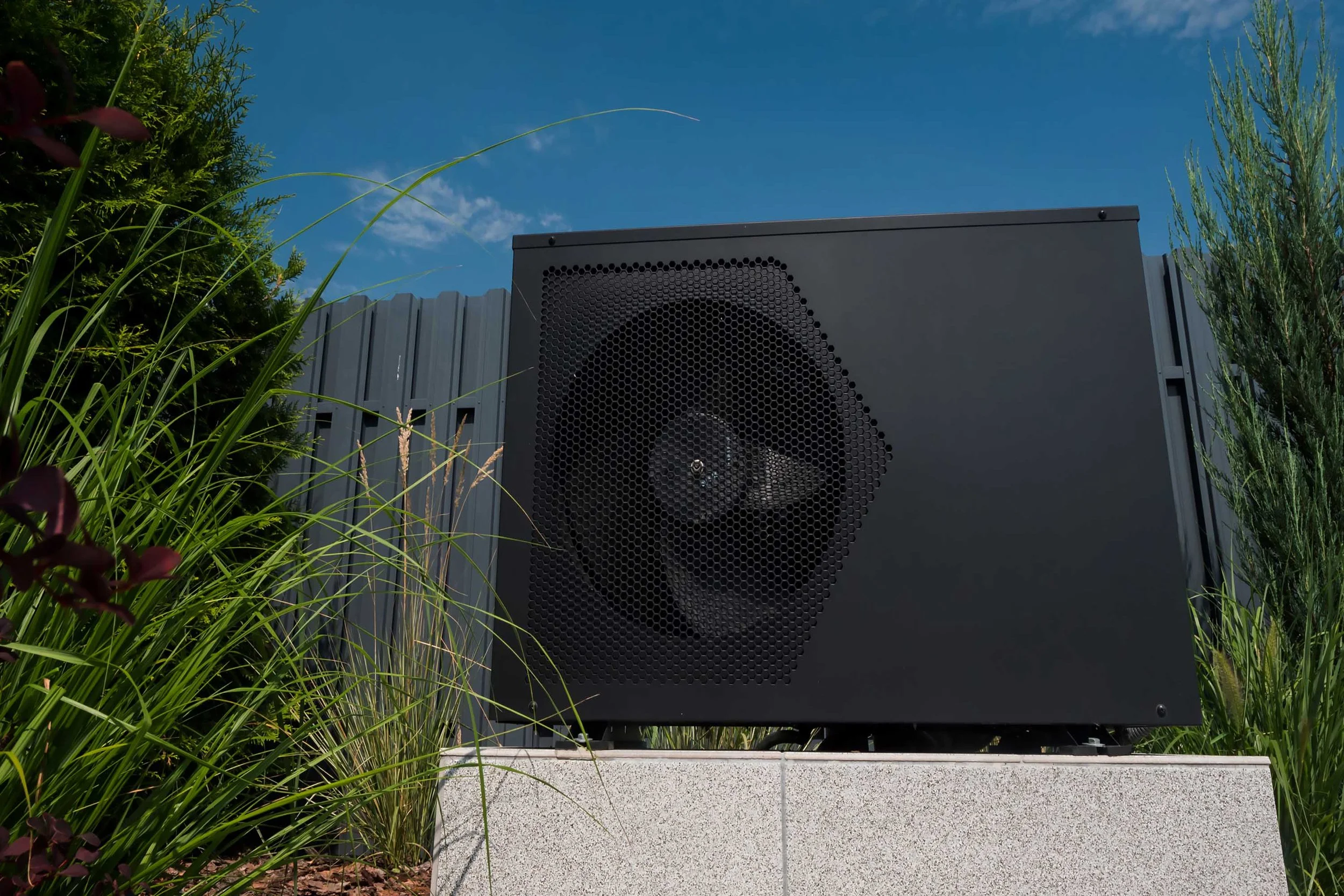
Air source heat pumps require outdoor space for installation, and the outdoor unit needs good airflow. Limited outdoor space can rule out some positions, and ground source heat pumps still need more land. Some customers report that air source heat pumps can be noisy, so place the unit away from bedroom windows and neighbouring homes. Manufacturers publish sound ratings, which let you compare different heat pumps.
Installation may need to comply with local planning regulations, and some properties may have strict planning restrictions. Cornwall Council publishes guidance on air source heat pumps and planning.
Performance in very cold weather
Efficiency can decrease in extreme cold temperatures. Air source heat pumps can maintain comfort even in freezing temperatures and keep running in sub-zero conditions, but efficiency falls as temperatures drop. A correctly sized unit should operate efficiently through most UK winters. In extreme cold, some homes may need a backup heat source.
Air Source Heat Pumps Compared With Gas Boilers and Oil Boilers
A traditional boiler burns fuel to produce heat, while an air source heat pump uses electricity to move existing heat. Gas and oil boilers burn fossil fuels, and each returns less than one unit of heat per unit of fuel.
Heat pumps use a different heating approach than traditional gas boilers. Heat pumps deliver steady heat at lower temperatures for longer periods, whereas a traditional boiler delivers short bursts at a higher temperature, so the existing central heating system may need adjustment. Different heating systems therefore suit different habits and heating bills.
Air Source Heat Pumps in Older Homes
Older properties are not ruled out for heat pumps. Air source heat pumps can work in homes with solid walls, provided you calculate heat requirements room by room and size the radiators to match. Improving loft insulation and draught-proofing first can reduce the required unit size, and a listed building may face extra planning conditions.
Government Grants and the Boiler Upgrade Scheme
Government grants can offset the upfront cost of installing air source heat pumps. The Boiler Upgrade Scheme started in April 2022 and covers England and Wales. Eligible homeowners in Cornwall may claim £7,500 towards an air source heat pump, and eligible homes heated by oil or LPG may claim £9,000 from 21 July 2026 to 31 March 2027.
An MCS-certified installer applies on the homeowner's behalf. New-build homes and social housing are not eligible, but self-build properties are. A grant lowers the upfront price only and does not change running costs. Government incentives and eligibility rules change, so check the GOV.UK scheme page before agreeing a quote.
Why Air Source Heat Pumps Are Worth the Investment
The financial value of air source heat pumps depends on the current heating system and home insulation. Homes replacing direct electric, oil, or LPG heating systems often see the clearest gains, while homes with a modern gas boiler may see about the same running costs.
Heat pumps worth considering first suit homes that:
have good insulation, or room to improve it
offer outdoor space with clear airflow
use radiators suited to lower temperatures
currently rely on oil, LPG or electric heating
qualify for a grant
Heat pumps need more thought where:
insulation is poor and cannot be improved
outdoor space is limited
the budget is tight, and no grant applies
planning restrictions apply
Many users report that air source heat pumps prove cost-effective over time, and the upfront investment is easier to justify when a grant applies. Every property needs an individual assessment, so we can't promise a payback period.
Air Source Heat Pump Installation, Servicing and Repairs
We cover three areas, with advice on costs and grants alongside each one:
Installation: Installation means fitting a system that takes heat from the outside air to supply heating and hot water.
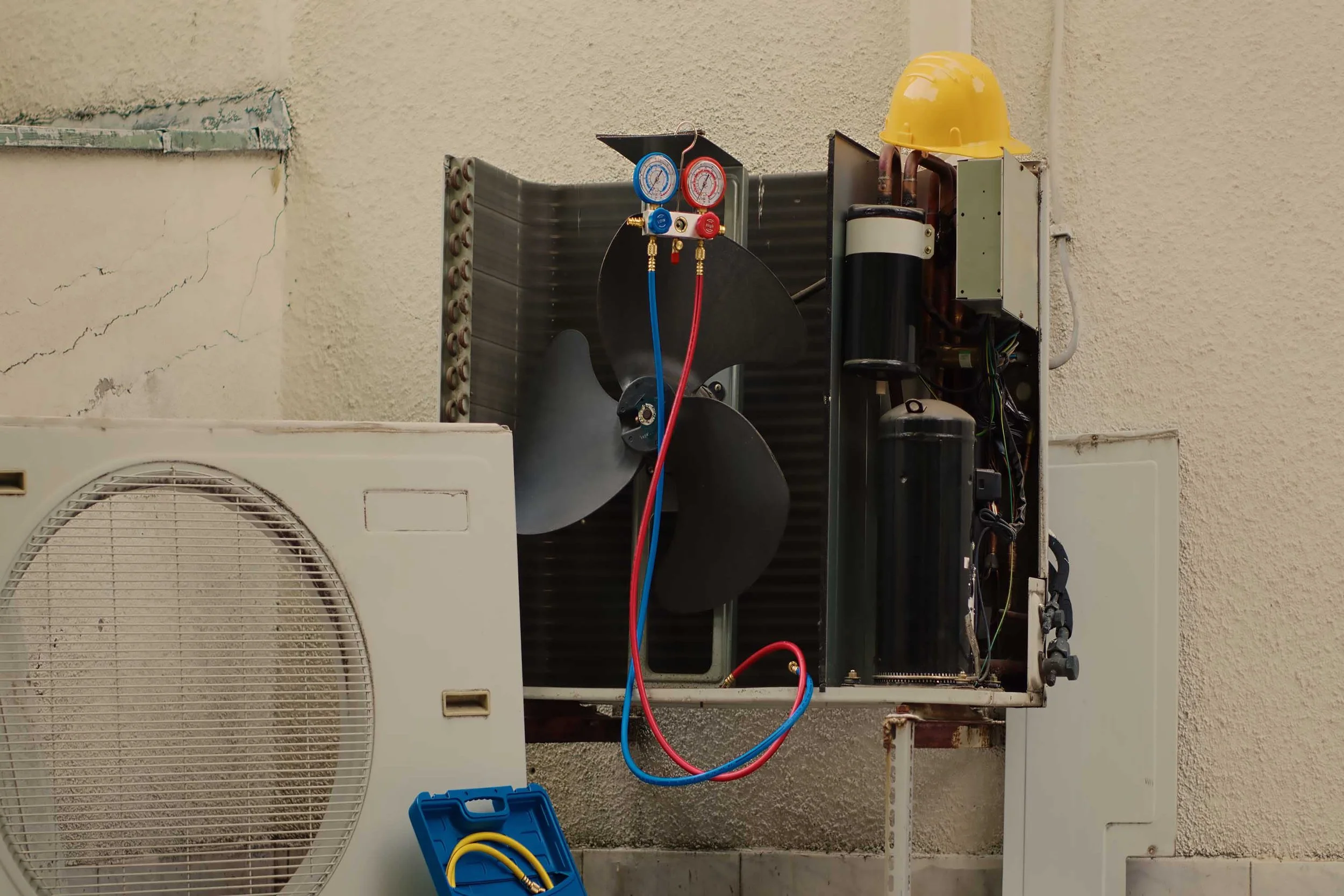
Servicing: Servicing is an annual inspection and performance check that keeps a system efficient and can identify issues before they become expensive repairs.
Repairs: Repairs involve diagnosing faults such as poor heating, unusual noises, or error codes, and a qualified engineer carries out the work.
Heat pump installation starts with two steps:
Assess the property: An engineer reviews the home’s heating needs, insulation, and existing heating system to determine how much heat it requires.
Design the system: The engineer chooses equipment that matches the assessment, so the unit and radiators suit the property.
Air Source Heat Pumps Cornwall is based in Sancreed, Penzance, Cornwall, and works with homeowners across Cornwall. The team can explain each stage before you request a quote.
Frequently Asked Questions
-
No independent UK ranking settles this. A manufacturer-published installer survey ranks Mitsubishi Electric first, and a 2025 homeowner poll placed Mitsubishi Electric, NIBE and Grant in its top three. Design and installation quality matter a great deal, so ask what warranty applies.
-
Yes, provided the property suits heat pumps. Homes without mains gas also qualify for the higher grant rate, and a survey confirms whether the existing pipework can cope.
-
The usual interval is once a year. Some manufacturer warranties require proof of an annual service, so keep the paperwork from each visit.
-
They often suit new builds because current construction standards limit heat loss, and underfloor heating is easy to include. The grant rules exclude new-build homes, so you don't get a reduced purchase price.
Final Thoughts
Air source heat pumps offer high efficiency, lower carbon emissions and a long working life, but they need an upfront investment and a suitable property. Running costs depend on what you replace, the home's insulation, and your electricity tariff, so the answer differs between households. Government grants reduce the purchase price for eligible homeowners, but they don't change the system's monthly running costs.
Air Source Heat Pumps Cornwall can assess a property, explain costs and grants, and provide a free quote for homeowners considering heat pumps. Visit the Contact page and select Get Free Quote, or call 07377158765 to discuss the property with the Sancreed team. Details of the current heating system and insulation help the team provide a more accurate answer about suitability, costs, and available grants.